Your car’s body is the first thing people see, and it’s also the first thing to suffer damage on the road. A dent from a parking lot bump, a scratch that catches the sunlight, or collision damage after an accident—these are problems we see every day at Jawharat Al Sahil Auto Maintenance in Sharjah. The good news is that most body damage can be repaired professionally without replacing entire panels or spending more than necessary. We inspect the damage first, give you a clear quote before any work starts, and handle everything from small dents to complete accident repairs. Whether it’s cosmetic scratches or structural damage, we’ll explain what needs fixing and what your car actually needs.
Many car owners panic when they see body damage, assuming the worst and dreading the repair cost. The truth is simpler: the right inspection, honest diagnosis, and proper repair method can save you money and keep your car looking and performing like new. In this guide, we’ll walk you through everything you need to know about body repair, what causes different types of damage, how repairs are done, what affects the cost, and when you should seek professional help.
Get a free inspection and quote today. No obligation.
What Car Body Repair Actually Covers
Body repair isn’t just about making your car look good—it’s about maintaining the integrity, safety, and value of your vehicle. Let’s break down what this service includes and what you should expect.
Understanding Cosmetic vs. Structural Damage
Not all body damage is the same. The repair approach depends on whether the damage is cosmetic or structural.
Cosmetic damage affects only the appearance of your car. A small dent, a scratch in the paint, a cracked bumper—these are purely visual problems. They don’t affect how your car drives, but they do affect how it looks and, over time, can lead to rust if left untreated. Cosmetic repairs are often faster and less expensive because they focus on restoring the look without affecting the mechanical function of the vehicle.
Structural damage affects the frame, panels, or alignment of your car. This type of damage is more serious because it can compromise safety, alignment, and handling. A car that was in a collision might look fine on the surface but have bent frame components underneath. Structural damage requires more extensive inspection, precise realignment, and sometimes panel replacement. Driving a car with unaddressed structural damage can be unsafe and may cause problems down the road.
What Types of Damage We Repair
Dents and creases—small dents from door dings or larger creases from impacts. Some dents can be pulled out without repainting; others require filler and paint.
Scratches and scuffs—surface scratches that only affect the clear coat, or deeper scratches that expose primer or base coat.
If your car has visible scratches or paint damage, we handle everything from minor touch-ups to complete panel repainting. For detailed information on scratch repair options and cost, check our comprehensive guide to car scratch repair in Sharjah
Bumper damage—Cracks, splits, or impacts to front and rear bumpers. Bumpers absorb impact, so damage here is common.
Panel damage—Doors, fenders, hoods, and trunk lids can be dented, creased, or bent. Sometimes they’re repaired; sometimes they’re replaced.
Repainting—Whether it’s a single panel or a full respray, we handle color matching and finish.
Rust and corrosion—Surface rust or bubbling paint that needs treatment, sanding, and repainting.
Accident damage—Multiple panels, structural issues, and alignment problems from collisions.
Fiber and composite repair—Some modern vehicles use fiber or composite body parts instead of metal. These require specialized repair techniques.
Common Causes of Car Body Damage in Sharjah
Understanding what causes body damage helps you avoid it—or at least know what to expect when it happens.
Impact and Collision Damage
Collisions are the most obvious cause of body damage. Whether it’s a minor fender bender or a serious accident, impact damage ranges from small dents to structural frame damage. In Sharjah’s busy traffic, collisions happen despite careful driving. If your car is hit, the extent of the damage depends on the speed, angle of impact, and what was hit.
Parking Lot Damage
Parking lot incidents are frustratingly common. A door ding from someone opening their door too quickly, a bump from another car backing up, or a scratch from a shopping cart—these cause thousands of small repairs every year. Most parking lot damage is minor but adds up visually over time.
Weather and Environmental Damage
Sharjah’s climate is harsh on car paint and finishes. Extreme heat causes paint to fade and clear coat to break down. Desert dust and sand are abrasive and can scratch the surface. Heavy rain is rare in Sharjah, but when it comes, acidic rainwater can damage paint. Hail, while uncommon, can cause denting. UV exposure from the intense sun causes long-term paint degradation.
Road Hazards
Debris on the road—stones, metal pieces, broken glass—can chip paint or cause small dents. Potholes cause impact damage to the underside and sometimes visible dents to wheels and fenders. Speed bumps taken too fast can damage bumpers and undercarriages.
Manufacturing Defects
Sometimes damage appears without an obvious cause. A panel might have a slight misalignment from the factory, or paint might have a defect. These are rare but do happen and can be addressed during repair.
Signs Your Car Needs Body Repair
How do you know if your car needs professional body repair? Some signs are obvious; others are subtle.
Visible Dents and Creases
This is the most obvious sign. A dent in a door, fender, hood, or bumper is clearly visible. Small dents might seem minor, but they expose bare metal where rust can start, especially in a climate like Sharjah’s.
Scratches and Paint Damage
Scratches that go through the clear coat to the base coat or primer need attention. Surface scratches might not seem urgent, but they allow water and contaminants to reach the underlying paint, causing rust over time.
Cracked or Damaged Bumpers
Bumpers take a lot of abuse. A crack or split in a bumper is not just cosmetic—it can affect the bumper’s ability to absorb impact in a future collision.
Misaligned Panels
If a door, trunk, or hood doesn’t sit flush with the rest of the body, alignment is off. This could indicate structural damage or bent frame components.
Rust or Bubbling Paint
Rust appears as brown or orange discoloration, often near scratches or dents. Bubbling paint indicates that rust has started underneath the surface. This is a sign that damage has been left untreated and is getting worse.
Gaps Between Panels
Uneven gaps between doors, fenders, and the body indicate structural issues. After a collision, panels might be slightly misaligned, and these gaps reveal the problem.
Peeling or Flaking Paint
Paint that’s peeling or flaking is breaking down. In Sharjah’s heat, this can happen to old paint or paint that was applied poorly.
Warning Signs After a Collision
Even if the damage looks minor after an accident, get a professional inspection. Hidden damage—bent frame, misaligned suspension, internal damage—might not be visible but can affect how your car drives.
Car Body Repair Methods: What Each One Fixes
Different damage requires different repair techniques. Understanding these methods helps you understand why your repair costs what it does.
Dent Removal and Paintless Dent Repair (PDR)
For small to medium dents where the paint is not damaged, paintless dent repair is often the best option. A technician uses specialized tools to carefully push the dent out from behind the panel. This restores the panel to its original shape without needing filler, sanding, or repainting. PDR is faster and cheaper than traditional dent repair because it skips the painting step.
However, PDR only works when:
- The dent is small to medium-sized
- The paint is not cracked or scratched
- The metal can be accessed from behind the panel
- The dent hasn’t created sharp creases
If the paint is damaged or the dent is too large, traditional dent repair is needed.
Panel Beating and Metal Work
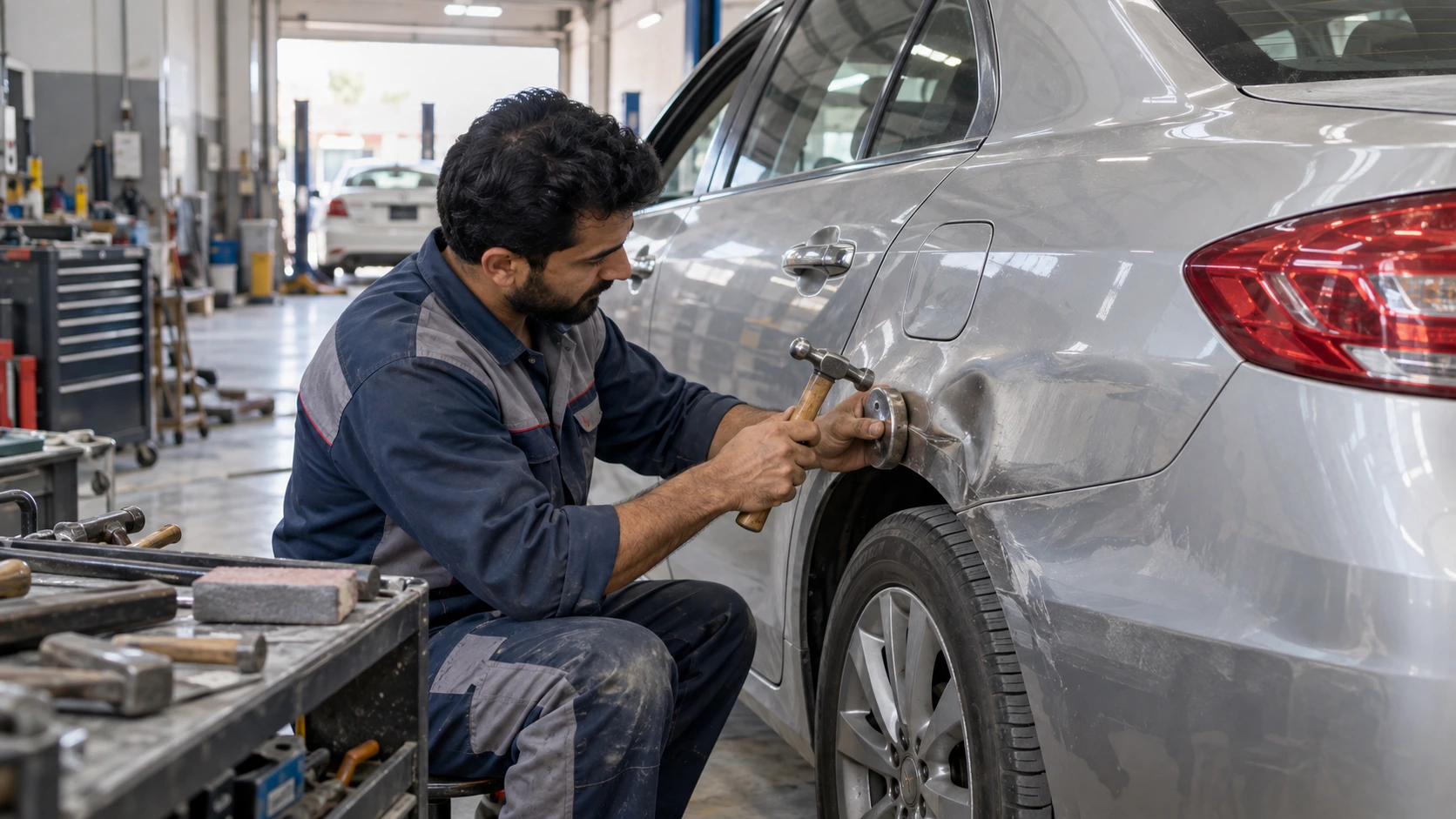
For larger dents or creases, especially those with sharp edges, the panel needs to be reshaped by hand. A technician uses special hammers and dollies to carefully work the metal back into shape. This is called panel beating. It requires skill and experience because the metal must be gradually reshaped without cracking the paint or creating weak spots.
After panel beating, the panel is smooth enough for filler and painting. In some cases, the damage is too severe to repair by beating, and the panel must be replaced entirely.
Panel Replacement
When a panel is too damaged to repair—deep creases that can’t be straightened, structural bending, severe rust—replacement is the better option. We remove the damaged panel, fit a new one, and align it properly. A new panel is unpainted, so it then goes through the painting process to match the rest of the car.
Panel replacement is more expensive than repair but sometimes more practical, especially for older cars where repair costs approach replacement costs.
Body Filler and Surface Preparation
After dent removal or panel beating, the surface might not be perfectly smooth. Body filler—a putty-like material—fills small imperfections. The filler is applied, left to harden, then sanded smooth to create a perfectly even surface for painting.
Proper filler application is crucial. Too little won’t hide the imperfection; too much creates excess that must be sanded. Sanding removes the filler down to a smooth, even surface that’s ready for primer and paint.
Rust Treatment
If rust has started, it must be addressed before painting. Surface rust is removed by sanding or grinding. If rust has created holes, filler is used to repair the damage. In severe cases, rusted sections might need to be cut out and new metal welded in.
After rust is removed and treated, the area is primed and painted to prevent rust from returning.
Spray Painting and Color Matching
This is where most repair time is spent. Spray painting is both an art and a science. The process includes:
Primer application — A primer coat covers bare metal or filler, providing a base for the paint and preventing corrosion.
Base coat — This is the color coat that you see. One or more coats are applied depending on the paint type and color depth.
Color matching — Here’s where skill matters. Your car’s original paint might have faded from UV exposure, so the new paint must be matched to the faded color, not the original color specification. Using spray equipment, a technician applies the paint in thin, even coats to match the surrounding panels.
Clear coat — Most modern cars have a clear protective coat over the color. This protects the paint from UV damage and provides the glossy finish. Clear coat must be applied carefully to create an even, smooth surface.
Sanding and polishing — After painting, the surface is lightly sanded and polished to remove any dust or imperfections and to blend the repaired panel with the surrounding panels.
Poor painting technique creates visible lines, uneven color, dust in the finish, or a rough surface. Proper painting is meticulous work that takes time and skill.
Bumper and Trim Repair
Bumpers on modern cars are usually plastic, not metal. Cracks in plastic bumpers can sometimes be repaired by welding or bonding. Deep cracks or splits might require bumper replacement. Trim pieces—moldings, strips, and bezels—can be repaired, reattached, or replaced depending on damage.
Fiber and Composite Repair
Some vehicles use fiber or composite body panels instead of metal. These materials repair differently. Fiber cracks can be reinforced from behind, or the damaged section can be replaced. Composite materials require specialized techniques and materials to restore.
Repair or Replace: How to Decide
One of the most common questions we hear is: “Should I repair this panel or replace it?” The answer depends on several factors.
When Repair Makes Sense
Repair is usually the right choice when:
- The damage is relatively minor—small to medium dents, scratches, or creases
- The cost of repair is significantly less than replacement
- The panel has no structural damage
- The panel material can be restored without weakness
- The repair will last as long as the car remains in service
For example, a dent in a door is usually repaired by dent removal or panel beating. The repair is quick, cheaper than a new door, and the result is as good as original.
When Replacement Is Better
Replacement makes sense when:
- The panel is severely damaged—bent, cracked, or rusted beyond reasonable repair
- The damage affects structural integrity or frame alignment
- The cost of repair approaches or exceeds the cost of replacement
- The panel has pre-existing damage or defects
- The vehicle is newer and worth the investment in quality parts
For example, if a fender is deeply creased, welded, or severely rusted, replacing it might be cheaper and more reliable than trying to repair it. A new fender is properly aligned, arrives unpainted, and integrates seamlessly into the repair.
Factors That Affect the Decision
Damage depth — Surface damage is easily repaired. Damage that goes through the panel or bends the underlying structure is harder to fix.
Panel material — Metal panels repair differently than plastic or composite panels. Some materials are easier to repair; others are better replaced.
Panel age — On older cars, replacement panels might not be readily available or might cost more than repair. On newer cars, original parts are usually available.
Paint condition — If the surrounding paint is faded or oxidized, a new panel’s paint will stand out even after color matching. Repainting adjacent panels might be needed.
Structural considerations — If the panel is part of the car’s structural frame, replacement might be mandatory for safety reasons.
Cost-benefit analysis — Is the repair cost reasonable compared to the car’s value? A $1,500 repair on a $3,000 car is questionable; the same repair on a $15,000 car makes sense.
Accident Damage: What to Do Before and After Repair
If your car has been in a collision, the repair process is more involved than cosmetic damage repair.
Steps to Take After a Collision
Safety first — Check that everyone is safe. If anyone is injured, call emergency services. Move the car to a safe location if possible.
Document the scene — Take photos and video of the accident scene, all vehicle damage, and any property damage. Get contact information and insurance details from the other driver (if applicable). Take photos of the other vehicle and the scene from multiple angles.
Report to police — In UAE, you must report the accident to police. Get a police report number; you’ll need this for insurance.
Notify your insurance company — Contact your insurer promptly. They’ll guide you through the claims process. Don’t admit fault or sign anything without understanding the terms.
Get a professional inspection — Before accepting a quick assessment or DIY repair, have a professional shop inspect the damage. Hidden damage might exist that’s not immediately visible.
Don’t ignore structural damage — Even if the car seems to drive fine, structural damage can cause problems later. Proper diagnosis is essential.
What the Workshop Inspection Checks
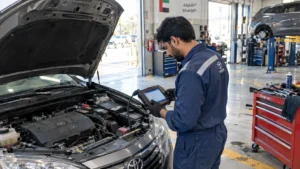
When you bring the car to us after an accident, we perform a comprehensive inspection that includes:
Visible body damage — We document all dents, scratches, creases, and broken parts.
Paint condition — We check which panels are damaged, which need repainting, and which are intact.
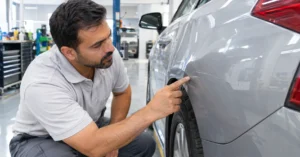
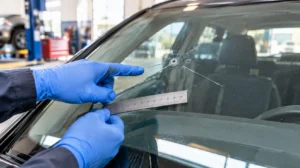
Panel alignment — We measure gaps between panels. Uneven gaps indicate structural issues.
Frame and structural damage — Using specialized equipment, we check the car’s frame for bending or misalignment. Frame damage is serious and must be corrected for the car to be safe.
Suspension and steering — We check the alignment of the wheels and suspension components, which can be affected by structural damage.
Undercarriage — We inspect underneath the car for hidden damage—bent components, leaks, or structural issues.
Electrical and mechanical systems — We check that all systems still function. Some accident damage can affect electronics or mechanical operation.
This comprehensive inspection identifies all damage, including hidden damage that might not be obvious at first glance.
Working with Insurance
If your insurance is covering the repair, here’s what to expect:
Claims adjustment — Your insurance company will assign an adjuster who inspects the damage and estimates repair cost. The insurer’s estimate might differ from our estimate.
Authorization — Once the insurer approves the claim, they authorize us to proceed with repairs, usually up to the approved amount.
Additional damage — Sometimes during repair, additional damage is discovered that wasn’t visible during the initial inspection. We’ll notify you and your insurer before proceeding with extra work.
Parts and labor — Insurance typically covers both OEM (original equipment manufacturer) parts and labor. Aftermarket parts might be used to reduce costs; discuss this with your insurer.
Rental car — If your car is in the shop for an extended repair, your insurance might cover a rental car during the repair period.
Deductible — You’ll typically pay a deductible (usually 250 to 500 AED in UAE) toward the repair. The insurer covers the rest.
We handle the claims coordination so you don’t have to navigate it alone. Our job is to repair the car properly and communicate with the insurer about the work being done.
How Our Car Body Repair Process Works
Understanding our process helps you know what to expect and why it takes the time it does.
Step 1: Contact Us and Describe the Damage
Call, message, or visit us in Al Qassim, Industrial Area 4. Tell us about the damage—what happened, which part of the car, and when. If you have photos, send them over. This initial conversation helps us understand the scope and schedule an inspection.
Step 2: Professional Inspection and Diagnosis
You bring the car in for a free inspection. Our technician examines:
- The visible damage
- Paint condition and color
- Panel alignment and gaps
- Any structural concerns
- Hidden damage
The inspection usually takes 20-30 minutes. We take photos to document the damage and discuss findings with you.
Step 3: Clear Quote and Your Approval
Based on the inspection, we prepare a detailed written quote that includes:
- Labor cost (broken down by task)
- Parts needed and their cost
- Materials (filler, primer, paint, clear coat)
- Timeline for completion
- Any assumptions or limitations
We explain the quote to you and answer questions. We don’t start any work until you approve the quote in writing. This protects you—you know the cost before work begins.
Step 4: Repair, Quality Check, and Delivery
Once approved, we perform the repair according to the plan. Our process includes:
Preparation — We protect surrounding areas, mask off sections that shouldn’t be painted, and prepare the damaged area for repair.
Repair work — Depending on damage type, we perform dent removal, panel beating, filler application, sanding, or panel replacement.
Painting — We apply primer, base coat, color matching, and clear coat. We sand and polish to blend the repair with surrounding panels.
Quality inspection — Before returning the car, we inspect the finish under different lighting conditions. We check for color matching, surface smoothness, and alignment.
Detail and delivery — We clean the car thoroughly and return it to you in showroom condition.
Why Sharjah Drivers Choose Our Body Shop
We’ve earned trust in Sharjah because of what we do and how we do it.
Quote Before Any Work Starts
You never get surprised by hidden costs. Every quote is detailed, written, and approved before we touch your car. If additional work is discovered during repair, we contact you immediately and get approval before proceeding.
Experienced Technicians
Our team has years of experience with all types of body damage. We’ve seen every scenario—minor dents, serious collisions, rust repair, custom modifications—and we know which approach works best. Experience prevents us from wasting time on unsuccessful repairs or overcomplicating simple fixes.
Colour Matching and Quality Finish
A mismatched paint job ruins a repair. We use professional color matching equipment and proper spray techniques to blend repairs seamlessly. The goal is that you shouldn’t be able to see where the repair was made.
All Makes and Models
Whether you drive a Toyota, Nissan, Honda, Hyundai, Kia, or another brand, we repair it. We’re familiar with the specific body materials, paint types, and repair requirements of different vehicles. We keep parts availability in mind when recommending repair vs. replacement.
No Unnecessary Repairs
Some shops repair things that don’t need repainting or replace parts that could be fixed. We recommend the simplest, most cost-effective repair that will last. This saves you money and gets you back on the road faster.
Local Knowledge
We understand Sharjah’s specific conditions. The harsh UV exposure, heat, dust, and occasional humidity affect paint and finishes. We account for these factors in paint selection and finishing techniques.
Car Body Repair Cost in Sharjah: What Affects the Price
“How much will this cost?” is the first question people ask. The honest answer is: it depends. Let’s break down what affects the cost.
Size and Depth of the Damage
A small ding costs less than a large crease. A dent that’s an inch across costs less than one that’s six inches across. A shallow dent that doesn’t crack the paint costs less than a deep crease that damages multiple layers.
Panel Type and Material
Repairing a bumper is different from repairing a fender or door. Plastic bumpers might need replacement instead of repair. Metal panels can often be dent-removed. Fiber or composite panels require specialized techniques.
Paint Type and Number of Panels
If only one small area needs repainting, cost is lower. If the damage spans multiple panels, each panel must be prepped, primed, painted, and finished. Metallic or pearl paint costs more than solid color because it requires more careful color matching and application.
Parts and Labour
If parts need to be replaced—bumpers, trim, handles, lights—those parts cost money. Labor cost depends on how long the repair takes. Dent removal might take 2 hours; full panel replacement and repainting might take 2 days.
How to Get an Accurate Quote
The only way to get an accurate quote is an in-person inspection. We measure the damage, assess the extent, determine what method will be used, and calculate the cost. Over the phone or from photos, we can only guess.
Why the Cheapest Quote Isn’t Always the Best
If you get three quotes and one is significantly cheaper, be cautious. Cheaper sometimes means:
- Lower-quality materials (cheaper paint, lower-grade filler)
- Faster work (less careful color matching, less thorough sanding)
- Cutting corners (skipping primer, using fewer coats)
- Inexperienced technicians
A cheap repair might look okay at first but might not last. Paint might fade faster, color might not match perfectly, or the repair might fail within a year. A fair price reflects quality materials, skilled labor, and a repair that lasts.
Price Range Examples
These are approximate ranges based on typical Sharjah repairs:
Small dent (paintless dent repair) — 200–400 AED
Medium dent (filler and paint) — 400–800 AED
Single-panel repainting — 600–1,500 AED
Bumper repair or replacement — 500–2,000 AED
Major collision repair — 2,000–8,000+ AED (varies greatly)
These are estimates only. Your actual cost depends on your specific damage.
How Long Does Car Body Repair Take?
“When can I have my car back?” is the second most common question. The timeline depends on damage type and shop capacity.
Small Dents and Scratches
Paintless dent removal: 1 day
Small scratch with light sanding and touch-up paint: 1 day
Minor cosmetic damage: 1–2 days
Single-Panel Repainting
A single panel that needs filler, primer, base coat, clear coat, sanding, and polishing typically takes 2–3 days. This includes drying time between coats.
Multiple Panels and Major Repairs
If multiple panels need work—dent repair, filler, painting—the job takes longer. A repair affecting 3–4 panels might take 5–7 days. A major collision repair with frame damage might take 2–3 weeks.
What Can Cause Delays
Parts availability — If we need to order a replacement panel or part, the repair is delayed waiting for delivery.
Hidden damage — If we discover additional damage during repair, additional time might be needed.
Paint curing — Paint needs time to cure between coats. In Sharjah’s heat, some paints cure faster; others need specific conditions.
Shop capacity — If we’re busy with other repairs, your car might be scheduled after others.
Weather conditions — Humidity and temperature affect paint application. On very hot days, we might need to adjust spray techniques or timing.
We always give you a realistic timeline when you approve the quote.
Why UAE Heat and Sun Matter After a Repair
Sharjah’s climate is beautiful but harsh on cars. This affects both the repair and the care after repair.
How Heat Affects Fresh Paint
Fresh paint needs time to cure properly. Extreme heat in Sharjah can affect this process. Too-high temperatures can cause paint to dry too quickly, creating a poor finish or crazing (tiny cracks in the paint). We account for temperature when scheduling painting and might adjust spray techniques or curing times.
Heat and UV Exposure
Once the repair is done, ongoing sun exposure affects the finish. The clear coat protects the base coat, but over months and years, UV rays break down the clear coat. This is why older cars’ paint looks faded. A quality paint job with a proper clear coat lasts longer, but even the best paint fades in Sharjah’s intense sun.
Caring for a Repaired Panel
After we return your car:
Avoid washing for 48 hours — New paint needs time to harden fully. Early washing can damage the finish.
Use quality car wash soap — Harsh soaps can damage clear coat. Use pH-neutral car wash soap.
Park in shade when possible — Extended direct sun exposure fades paint faster.
Apply protective coating — Consider a ceramic coating or wax to add UV protection and water beading to the paint.
Regular maintenance — Wash your car regularly to remove dust and contaminants. In Sharjah’s dusty environment, regular washing prevents paint damage.
Avoid harsh chemicals — Acidic products, strong cleaners, or abrasive polishing can damage the finish.
A well-maintained repair stays looking good for years. Neglected paint fades and oxidizes faster.
Protecting Your Paint: UV Protection and Clear Coat Technology
After your car body repair is complete, protecting the fresh paint from Sharjah’s intense UV exposure is crucial. Modern clear coats are designed to block UV rays and prevent oxidation, but understanding how they work helps you maintain your repair longer.
The clearcoat layer acts as a transparent shield over your car’s base paint color. It protects against UV rays, road salt, bird droppings, and other environmental contaminants. In harsh climates like Sharjah’s, a high-quality clear coat can last 5–10 years with proper care, but neglected paint fades much faster.
For a deeper understanding of how modern clear coat technology works and why it’s essential in hot climates, check out this comprehensive guide on automotive clear coat protection from RepairPal. It explains the science behind clear coat, how UV rays damage paint, and best practices for maintaining your finish in extreme heat.
How to Choose a Car Body Repair Shop in Sharjah
Not all body shops are equal. Here’s what to look for.
Ask for a Written Quote
Any reputable shop provides a written, detailed quote. If a shop quotes over the phone or on a napkin, that’s a red flag. A written quote shows professionalism and protects both you and the shop.
Check Colour Matching Ability
Ask about their color matching process. Do they use specialized equipment? Do they test the match before doing the full job? Look at before-and-after photos. Can you see the repair, or is it seamless?
Look at Equipment and Workmanship
A professional shop has proper spray booths, paint equipment, and diagnostic tools. Visit the shop if possible. Is it clean and organized? Do the technicians take pride in their work? Look at cars being worked on—are they protected properly? Are areas masked off carefully?
Read Recent Reviews
Check Google reviews, social media, and word-of-mouth recommendations. Are customers satisfied? Do reviews mention quality, fairness, and professionalism? Be wary of shops with no reviews or mostly negative ones.
Nearest or Best? How to Balance Both
Convenience matters, but quality matters more. A shop 20 minutes away that does excellent work is better than a nearby shop that does mediocre work. That said, a good local shop is ideal—you can easily visit, pick up your car, and handle any follow-up issues.
Cars We Repair
We service all major makes and models. Here’s a partial list of vehicles we regularly repair:
Japanese: Toyota, Nissan, Honda, Hyundai, Kia, Mazda, Suzuki, Daihatsu
German: Mercedes-Benz, BMW, Audi, Volkswagen, Porsche
American: Chevrolet, Ford, Dodge, GMC, Jeep
Other brands: Range Rover, Jeep, MG, Chery, and more
If your vehicle isn’t listed, contact us—we likely repair it. We’re familiar with the specific body materials, paint types, and repair requirements of different makes and models.
Accident Repair and Insurance Support
If your car was in a collision and your insurance is covering the repair, we handle the coordination.
Our Accident Repair Process
Step 1: Comprehensive inspection — We document all damage and identify any hidden structural issues.
Step 2: Detailed damage report — We prepare a report with photos and detailed damage descriptions.
Step 3: Insurance coordination — We work directly with your insurance adjuster to ensure our assessment aligns with the insurer’s expectations.
Step 4: Authorized repairs — Once your insurer approves the claim, we proceed with repairs.
Step 5: Quality assurance — We ensure all repairs meet safety and quality standards before returning the vehicle.
What We Can Help With
- Collision damage assessment
- Insurance claim documentation
- Frame straightening and alignment
- Structural repairs
- Body panel replacement
- Paint and finish restoration
- Coordination with your insurance company
We recommend confirming your coverage details with your insurer before repairs begin to understand your deductible, coverage limits, and any specific requirements your policy might have.
Cars We Repair
We work on all major makes and models:
Toyota | Nissan | Honda | Hyundai | Kia | Mazda | Mercedes | BMW | Audi | Volkswagen | Chevrolet | Ford | And more
If your vehicle isn’t listed, contact us—we likely repair it.
Customer Reviews
“Had a nasty dent on my Toyota after a parking lot incident. They inspected it, gave me a fair quote, and matched the paint perfectly. The car looks new again. Highly recommend.” — Ahmed M., Sharjah
“Excellent service after my accident. The team was professional, the repair was thorough, and they coordinated everything with my insurance. I was very satisfied.” — Fatima K., Al Qassim
“Quick, professional, and honest. They found the cheapest way to fix my bumper without sacrificing quality. Will definitely come back.” — Mohammad R., Sharjah
Car Body Repair FAQs
How much does car body repair cost in Sharjah?
Cost depends on damage type, panel size, and whether repainting is needed. A small dent might cost 200–500 AED. A single-panel repaint could range 600–1,500 AED. Major collision repairs vary widely depending on extent. The only accurate way to know is an in-person inspection and quote. We provide free inspections and detailed quotes with no obligation.
How long does car body repair take?
Small dents and scratches: 1–3 days. Single-panel repainting: 2–4 days. Major collision repairs: 1–2 weeks, depending on parts availability and complexity. We confirm the exact timeline when you approve the quote. In some cases, rush services are available for an additional fee.
Can you match my car’s paint colour?
Yes. We use professional color matching equipment and proper spray techniques to blend repaired panels with the original paint. The match is only accurate if we inspect your vehicle in person and assess the existing paint condition. We test the match before proceeding with the full job.
Do you repair accident-damaged cars?
Yes. We handle collision damage, structural assessment, and full accident repairs. We also work directly with insurance companies to coordinate claims and ensure repairs meet insurer requirements. If your insurance is covering the repair, we’ll manage the coordination.
Can small dents be fixed without repainting?
Sometimes. If the paint is intact and the dent is shallow, we might fix it using paintless dent removal without repainting. If the paint is cracked or the dent is deep, repainting will be necessary. We’ll know for certain after an in-person inspection and will explain which approach makes sense for your damage.
Get Your Free Quote Today
Body damage doesn’t have to cost a fortune or take weeks to repair. The right inspection, honest diagnosis, and proper repair method can save you money and keep your car looking great.
Call us or visit our workshop in Al Qassim for a free inspection and no-obligation quote.
We’ll assess your car, explain the damage, discuss repair options, and give you a clear written quote before any work begins. No surprises. No hidden costs.
Whether it’s a small dent, a scratch, or accident damage, we’re here to help.
Final Takeaway
Your car’s body deserves professional care. Ignoring damage leads to rust, further deterioration, and safety concerns. A proper repair done right the first time protects your investment and keeps your car safe and looking good.
At Jawharat Al Sahil Auto Maintenance in Sharjah, we’ve earned trust by doing honest work, providing clear quotes, and delivering quality repairs. If your car needs body repair, contact us today.
We inspect first, quote second, and repair third. You’ll always know the cost before we start.